



Cinematography
₦35000
About this course
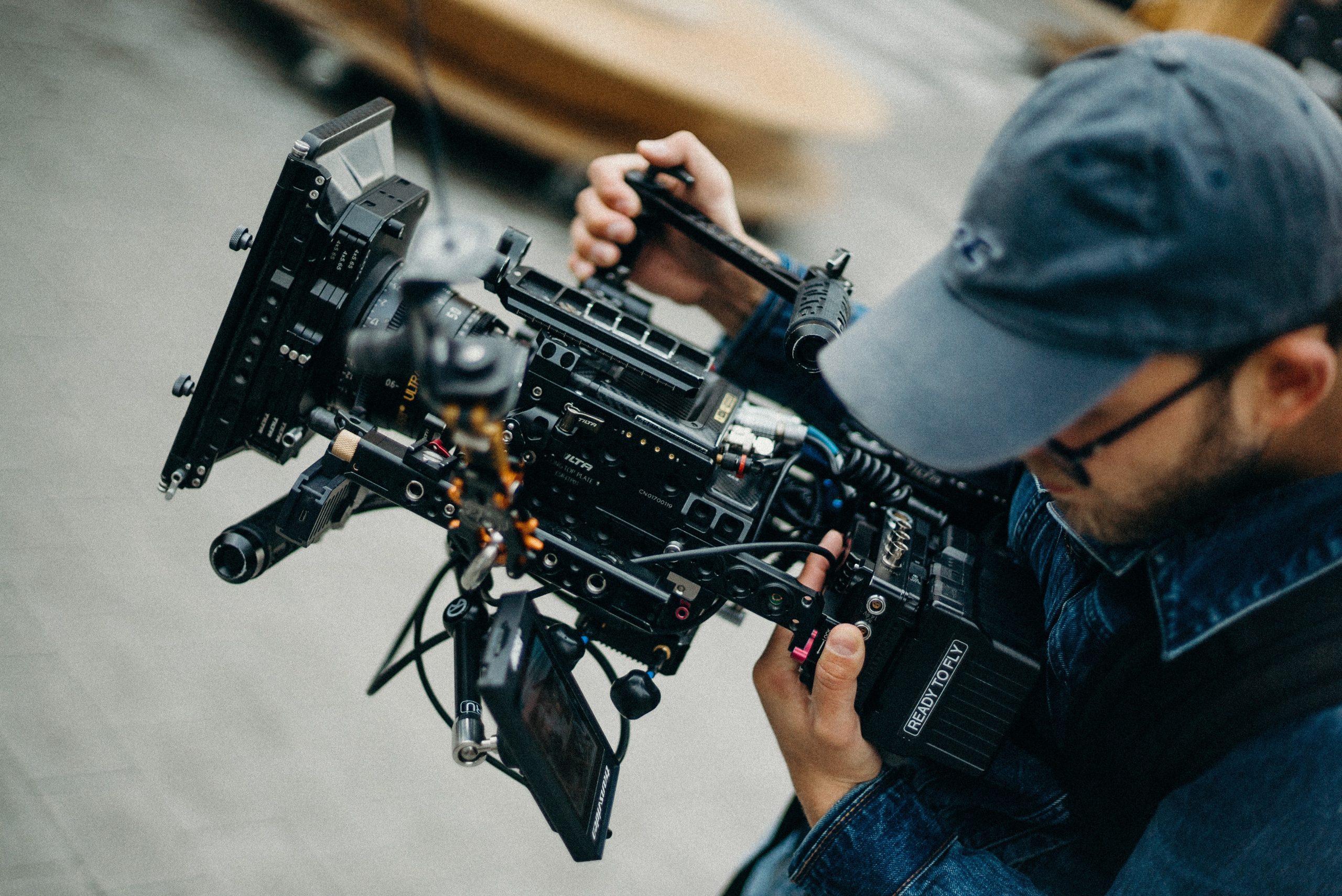
In this cinematography course, students will delve into the intricacies of filmmaking, encompassing a wide range of essential topics. They’ll begin by grasping the fundamentals of cameras and lenses, honing their ability to choose the right equipment based on resolution, sensor size, and dynamic range. Composition techniques, such as the rule of thirds and shot sizes, will be explored to enable the creation of visually captivating scenes. Lighting mastery will be emphasized, allowing students to manipulate natural and artificial light to set moods and add depth to their shots.
Understanding camera movements, including pans, tilts, dollies, and steadicams, will provide the skills needed to craft dynamic storytelling. Students will also learn about color theory’s emotional impact and the significance of color grading in post-production. The course will cover aspect ratios, framing, and composition techniques that guide viewers’ eyes and convey meaning. Lastly, the curriculum emphasizes creativity and experimentation, encouraging students to develop a unique cinematographic style.
Syllabus
Each week builds on the foundational knowledge and skills introduced earlier, culminating in a final project that allows students to apply what they've learned and showcase their unique cinematographic style.
Week 1
Foundations of Cinematography
Day 1: Introduction to Cinematography and Its Role in Filmmaking Day 2: Camera Basics: Types of Cameras and Lenses Day 3: Camera Functions and Settings (ISO, Shutter Speed, Aperture) Day 4: Composition Techniques: Rule of Thirds and Framing Day 5: Lighting Essentials: Natural vs. Artificial Light
Week 2
Advanced Cinematic Techniques
Day 1: Camera Movement: Pans and Tilts Day 2: Camera Movement: Dollies and Sliders Day 3: Camera Movement: Steadicam and Gimbal Stabilization Day 4: Depth of Field and Creative Control Day 5: Color Theory and Its Emotional Impact
Week 3
Visual Storytelling
Day 1: Aspect Ratios and Their Creative Significance Day 2: Framing and Composition Techniques for Narrative Impact Day 3: Using Depth of Field to Convey Story and Emotion Day 4: Camera Angles and Shot Types Day 5: The Art of Storyboarding and Shot Planning
Week 4
Practical Application
Day 1: Hands-on Lighting Techniques and Setups Day 2: Practical Camera Work: Shooting Exercises Day 3: Reviewing and Analyzing Student Work Day 4: Collaborative Filmmaking: Working with Directors and Teams Day 5: Post-Production and the Role of Color Grading
Week 5
Cinematic Styles and History
Day 1: Exploring Cinematic Styles: Classic vs. Contemporary Day 2: Case Studies in Cinematography: Iconic Films and Directors Day 3: Evolution of Camera Technology in Filmmaking Day 4: Guest Speaker Session: Professional Cinematographer Day 5: Film Analysis: Discussing Visual Storytelling in Movies
Week 6
Developing Your Cinematic Voice
Day 1: Cultivating Creativity in Cinematography Day 2: Experimentation with Camera Techniques Day 3: Building Your Cinematography Portfolio Day 4: Final Project Preparation and Pitching Day 5: Final Project Presentation and Course Wrap-Up
Course Overview 0/1
Course review
Each week builds on the foundational knowledge and skills introduced earlier, culminating in a final project that allows students to apply what they've learned and showcase their unique cinematographic style.
Reviews
Lorem Ipsn gravida nibh vel velit auctor aliquet. Aenean sollicitudin, lorem quis bibendum auci elit consequat ipsutis sem nibh id elit. Duis sed odio sit amet nibh vulputate cursus a sit amet mauris. Morbi accumsan ipsum velit. Nam nec tellus a odio tincidunt auctor a ornare odio. Sed non mauris vitae erat consequat auctor eu in elit.
Members
Lorem Ipsn gravida nibh vel velit auctor aliquet. Aenean sollicitudin, lorem quis bibendum auci elit consequat ipsutis sem nibh id elit. Duis sed odio sit amet nibh vulputate cursus a sit amet mauris. Morbi accumsan ipsum velit. Nam nec tellus a odio tincidunt auctor a ornare odio. Sed non mauris vitae erat consequat auctor eu in elit.